Why DeFi Integration and Browser Extensions Are Game-Changers for Crypto Wallets
So, I was thinking about how messy managing crypto assets used to be. Seriously, juggling multiple wallets, switching networks, and hunting for trustworthy interfaces—it’s a headache. Something felt off about the user experience in DeFi, especially for folks who want seamless staking options without diving deep into complex setups. Wow! The landscape’s evolving, though, and browser extensions with DeFi integration are starting to smooth out these bumps.
At first glance, browser extensions might seem like just another convenience layer. But dig a little deeper, and you realize they’re pivotal for accessibility and security. They bridge the gap between decentralized apps and users effortlessly. Hmm… but not all extensions are created equal. Some feel clunky, while others shine with intuitive design and robust features.
And staking? Man, it used to be this cryptic process only hardcore users dared to touch. Now, with the right wallet integrations, staking is becoming a native, almost casual activity. That shift is huge because it opens passive income streams to everyday users.
Okay, so check this out—there’s a wallet I’ve been tinkering with lately that nails this trifecta: DeFi integration, browser extension convenience, and native staking support. It’s called truts wallet. Initially, I was skeptical. Too many wallets promise the moon but deliver little. But after some hands-on use, I’m honestly impressed with how it brings everything together smoothly.
Here’s the thing. The crypto space thrives on innovation, but usability often lags behind. Bridging that gap is what makes or breaks adoption.
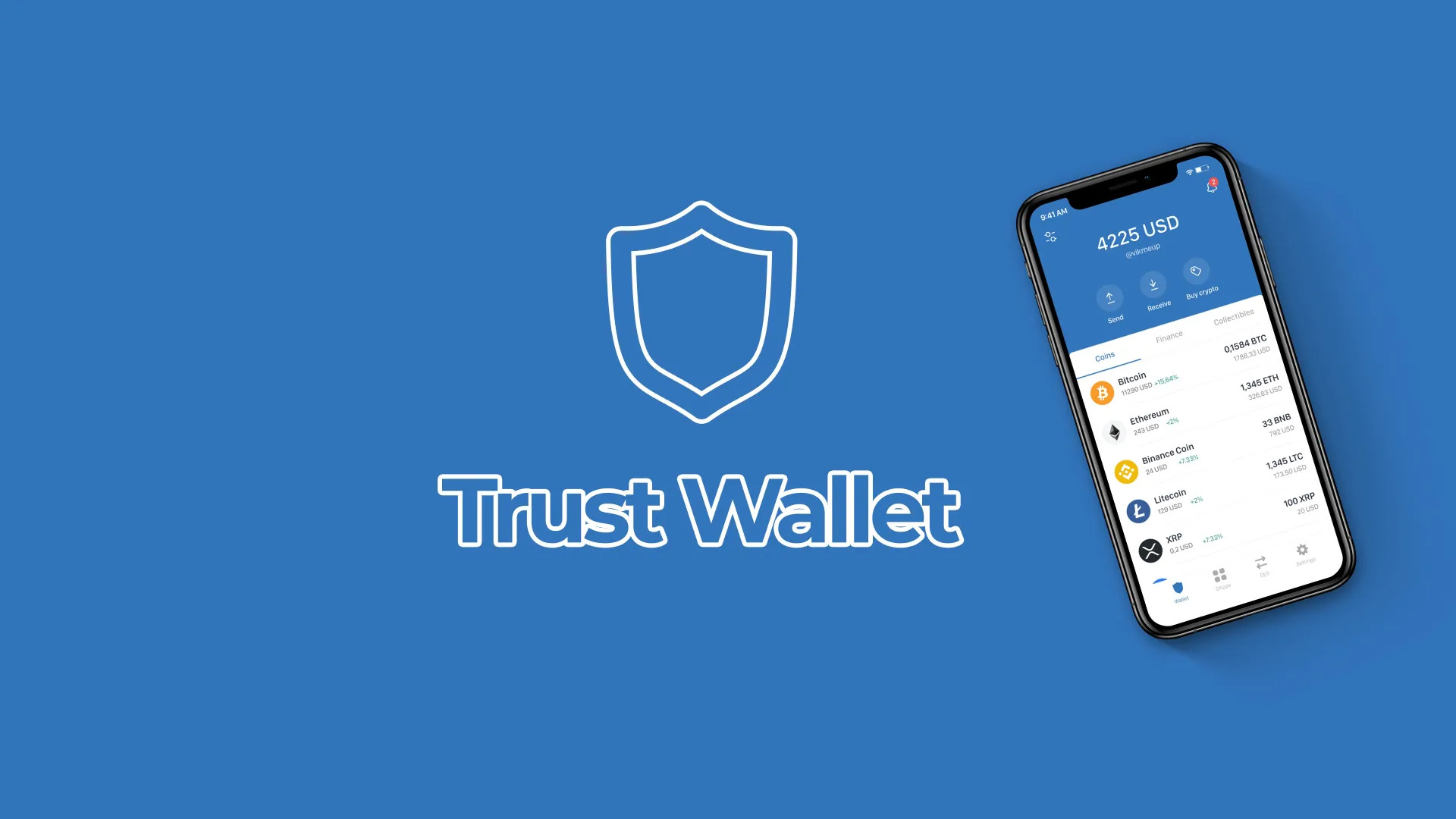
Now, the reason browser extensions are vital is because they embed crypto directly into your browsing experience. No more awkward copy-pasting of addresses or juggling mobile apps while on desktop. You get instant access to DeFi protocols right from your browser toolbar. It’s like having a tiny bank in your pocket, but on your browser.
My instinct said that security might be compromised, but actually, many extensions have evolved with robust encryption and permission controls. On one hand, browser extensions expose you to phishing risks, though actually, wallets like truts wallet mitigate this by sandboxing operations and requiring explicit user approvals for transactions. That’s pretty reassuring.
What bugs me a bit is how some wallets overload the interface with too many features, making the user experience overwhelming. But truts wallet keeps it clean and straightforward, which I appreciate. They offer native support for multi-chain staking, which is a rare find. You can stake across different protocols without hopping platforms or worrying about compatibility.
And speaking of multi-chain, this is becoming very very important as the ecosystem fragments. Users want a single point of control for assets on Ethereum, Binance Smart Chain, Polygon, and more. Managing all these networks separately is a nightmare, trust me. That’s why multi-chain wallets with seamless DeFi access are the future.
Initially, I thought browser-based wallets would never match the security of hardware devices. But then I realized that for everyday use, the convenience-security balance is shifting. Especially with advanced encryption and two-factor verification baked in.
Plus, you get staking rewards right from the wallet interface without jumping through hoops. This integration not only boosts user engagement but also helps decentralize network security as more people participate in staking.
DeFi Integration: Beyond Just Access
Here’s what’s really intriguing. DeFi integration isn’t just about connecting wallets to protocols. It’s about creating a fluid experience where users can lend, borrow, swap, and stake without friction. This requires deep backend connections and real-time syncing. Wallets like truts wallet handle this well, updating balances instantly and enabling one-click transactions.
Wow! When you reduce the friction, users naturally experiment more with DeFi products. It’s like turning a clunky old car into a smooth ride. This catalyzes adoption and network effects.
Still, there are challenges. Sometimes smart contract interactions fail silently; sometimes gas fees spike unexpectedly. I’ve hit these snags myself and it’s frustrating. But wallets that provide clear feedback and guidance during these moments win user trust.
And what about staking support? Many wallets treat staking as an afterthought, but integrated staking tools let you maximize yields without leaving the app. You can monitor your rewards, claim tokens, or even compound earnings automatically. This automation is a game-changer.
Okay, I’ll admit—staking can get complex depending on the tokenomics and lockup periods. Not every user will want to dive into all that. But having the option, and making it easy, empowers a wider range of users to participate.
One thing I noticed with truts wallet is how it simplifies these decisions. It offers clear info on staking terms and potential rewards upfront. No surprises, no hidden catches.
That kind of transparency is rare in crypto, honestly.
Oh, and by the way, the wallet also supports browser extension features like biometric unlocking and hardware wallet pairing. This hybrid approach feels very secure while staying user-friendly.
At the end of the day, DeFi integration through browser extensions with robust staking support is not just a nice-to-have anymore—it’s very very important for mainstream adoption. Users want powerful tools that don’t demand a PhD in blockchain.
Here’s a quick thought—imagine your browser as the gateway to all your digital assets, staking rewards, and DeFi opportunities, all managed with a few clicks. That’s the vision wallets like truts wallet are helping realize.
To me, this is just the beginning. As the Web3 ecosystem matures, expect these wallets to get even smarter with AI-driven portfolio optimizations and real-time risk assessments.
But for now, the current wave is already impressive and worth checking out if you want to get serious about managing crypto assets efficiently and securely.
Honestly, I’m biased toward wallets that combine simplicity with depth. It bugs me when products try to be everything to everyone and end up being nothing to anyone.
Anyway, if you haven’t peeked at what’s out there recently, give truts wallet a look. It might just change how you interact with DeFi and staking.