Achieve a masterful gambling perspective: casino game-changing principles
Understanding the Odds and House Edge
A cornerstone of any masterful gambling perspective is a profound understanding of the odds involved in casino games. Each game, from slots to table games like blackjack and roulette, operates with a built-in house edge. This edge represents the casino’s statistical advantage over the player in the long run. Recognizing this inherent disparity is crucial for setting realistic expectations and avoiding the misconception that games are purely chance-based without a mathematical advantage for the establishment. For those interested in how complex systems are managed, understanding the foundational principles of product lifecycle management can offer valuable insights into structured development processes, and https://www.plmsystems.net/ offers solutions in this area.

Players who excel in gambling don’t just play; they analyze. This involves researching the specific odds of different bets within a game and understanding how variations in rules can impact the house edge. For instance, in blackjack, different rulesets can significantly alter the advantage the casino holds. A player with a masterful perspective will gravitate towards games and betting options that minimize this edge, thereby extending their playing time and increasing their potential for positive outcomes, even if those outcomes are still statistically improbable over extended sessions.
Strategic Play and Bankroll Management
Beyond understanding odds, a masterful gambling perspective incorporates robust strategic play. This doesn’t imply guaranteed wins, as luck remains a factor, but rather employing tactics that maximize opportunities and minimize losses. For games like poker or blackjack, this involves learning optimal strategies, such as basic strategy in blackjack or understanding pot odds and position in poker. The goal is to make decisions that are mathematically sound, even when faced with uncertainty.
Crucially, bankroll management is an indispensable element. A player with a masterful perspective treats their gambling funds as a finite resource, setting strict limits on how much they are willing to wager and, importantly, when to stop. This involves defining session limits, win goals, and loss limits. Without disciplined bankroll management, even the most skilled player can quickly deplete their funds, rendering their strategic knowledge ineffective. It’s about preserving capital to continue playing and to capitalize on favorable situations when they arise.
Emotional Control and Discipline
The psychological aspect of gambling is often underestimated, yet it’s central to achieving a masterful perspective. Emotional control is paramount. Players must learn to detach their emotions from the outcomes of their bets. Chasing losses, succumbing to overconfidence after wins, or making impulsive decisions are common pitfalls that stem from a lack of emotional discipline. A masterful gambler recognizes these emotional triggers and actively works to mitigate their influence.
Discipline, therefore, becomes the operating system for emotional control. This means adhering strictly to pre-set strategies and bankroll management rules, regardless of how a game is unfolding. It requires patience to wait for opportune moments and the strength to walk away when conditions are unfavorable or when limits are reached. This unwavering commitment to a plan, even when faced with the natural fluctuations of luck, is what separates casual players from those who approach gambling with a sophisticated and masterful outlook.
Cognitive Biases and Risk Assessment
A deep dive into a masterful gambling perspective also involves recognizing and combating common cognitive biases that affect decision-making. Fallacies like the gambler’s fallacy (believing past independent events influence future ones) or the illusion of control can lead to poor choices. A player with a refined perspective actively questions their assumptions and avoids falling prey to these mental shortcuts, relying instead on rational analysis and probabilistic reasoning.
Furthermore, effective risk assessment is integral. This means understanding not just the potential rewards of a bet but also the associated probabilities and the potential for loss. It’s about making informed decisions regarding the size of bets and the types of wagers placed, aligning them with both the player’s bankroll and their strategic objectives. This calculated approach to risk allows for more sustainable play and a clearer understanding of the true nature of the gambling endeavor.
PLM Systems in Product Development for Casinos
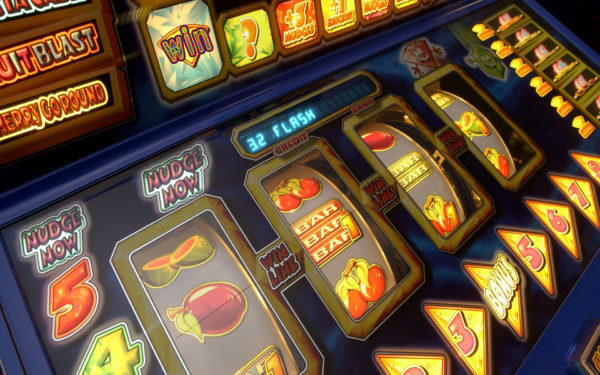
While the direct application of Product Lifecycle Management (PLM) systems might seem distant from the gambling floor, their role in the *development* of casino offerings is significant. Casinos, much like any modern business, rely on structured product development cycles for everything from new slot machine designs and game software to integrated loyalty programs and online betting platforms. PLM systems are the backbone that manages these complex processes from initial concept and design through to testing, launch, and eventual retirement.
For operators aiming to maintain a competitive edge and offer innovative gaming experiences, a robust PLM solution is essential. It allows for streamlined collaboration between design teams, engineers, regulatory compliance officers, and marketing departments. This ensures that new games and features are developed efficiently, meet all necessary legal and technical standards, and are brought to market effectively. Companies like PLM Systems provide the tools and expertise to manage this entire lifecycle, ensuring that the products players engage with are the result of well-managed, strategic development, ultimately contributing to the overall casino experience and its profitability.